

You Can’t Argue Someone Out of a Romance Scam: How to Help a Loved One See the Truth
What actually works when someone you love is being manipulated — and the steps to take once the truth comes to light.

When I finally understood that my mom wasn’t in a long-distance romance but was being robbed by an online scammer, my stomach dropped. I blamed her. I blamed myself. But blame wouldn’t stop the fraud. Action would.
This is the final piece in a four-part series exploring romance scams from a personal, familial point of view. If you haven’t already read it already, you may want to start with part 1 below.

One year ago, on February 24th I broke the illusion, and in doing so I broke her heart. She ended her online relationship.
On February 25th, we began the work of containing the damage, moving quickly together through calls, reports, passwords, and account changes. In the weeks that followed there were more discoveries, more triage, and the sobering realization that much of what had been sent — especially through CashApp and Bitcoin — would likely never be recovered.
Through it all my mother wrestled with the emotional fallout. She told me later that it was as if she’d had her heart broken twice, almost like enduring a breakup and a death at the same time.
“My mind is trying to unpack all that has taken place. I am replaying everything that happened… All the conversations, all the photos, the video visit, the voice messages. The sequence and timing of every scenario… It was all SO believable. SO real. And now, the letting go that has to take place is incredibly painful.[…]The grief is real. The loss is beyond belief. The loss of not only the companionship that was as close as it can get, but also the loss financially.”
- Text from mom 2-27-2025
Once the illusion was shattered, it was shattered completely. My mother understood reality with stunning clarity. It was as if her good sense had been held under ice. Now having been rescued from the mental prison of the scam, she could see the damage, and more importantly she could feel it.
Sometimes the Truth Hurts
Over the next several weeks, the scammer tried repeatedly to reestablish contact — new platforms, new messages, new attempts to reopen the door. Each time, my mother showed me. Each time, we blocked him again.
She shared with me how tempting it was to pretend the illusion hadn’t been undone and was surprised at how strong the draw was to return to the connection.
In fact many victims of these scams do.
During a romance scam, the attachment is real even if the person is not. The strong feelings of love and connection don’t evaporate the moment the truth appears.
Once the spell is broken it can feel like the world has gone dark. When shame fills the part of one’s heart that was previously filled by love, and the financial losses become concrete, the mind naturally seeks relief creating a very real danger that they’ll go running back.
Reality bites. Not everyone is Neo. Some people regret learning the truth.
This is why how you communicate with your loved one about the scam matters so much. If you belittle, blame, and argue you’ll activate their defenses, which can leave them feeling profoundly isolated and their brain will act protectively. This may mean retreating to the feelings the scammer showered them with or it could mean falling prey to something called re-fraud, where another scammer appears and promises to fix the problems of the previous scam only to further devastate the victim.
Communicating in a Way That Helps
I’d love to tell you that I was immediately successful the first time I talked with my mom about this. If you’ve read the other parts of this series… you know I wasn’t. I’d also love to tell you that I’m some kind of judgement free saint, who never felt angry or frustrated.
The truth is communicating around this scam was incredibly hard. It took patience, persistence… and oddly it took letting go at times. It felt like I was throwing spaghetti to see what would stick, wondering, “will this get through to my mom?” I happen to think my background in interpersonal communication and in improv didn’t give me the answers, it simply gave me more spaghetti to throw.

I’ve attempted to synthesize everything I learned the hard way into a few recommended principals and behaviors I highly recommend you adopt if you are facing this kind of challenge.
1. Steady Yourself First, Steady Yourself Often
In other words, breathe.
Before you try to pull someone out of a scam, you must control your own reactivity. If you lead with anger, you lose. You lose your influence with your loved one, and you lose your own ability to think flexibly and creatively.
Breath, calm, presence – these are the keys to making sure your brain is online. Bonus, when you are calm, your steadiness can help them steady themselves too.
I still remember how furious I felt when I realized my mother had lied to me and was actually sending money. Yelling “I told you so,” would have just left her feeling like she couldn’t talk to me. By calming myself, I was able to think more strategically. I suggested that perhaps they had both been scammed. That nuanced choice opened the door for more, enabling my mom to be receptive later when I presented her with real evidence.
When people feel threatened, they defend, or worse… they retreat. The last thing you want is for your loved one to run from you deeper into the scam.
If you want enough influence to bring the scam to a stop, you have to be the calmest person in the room.
2. Lower the Cost of Being Wrong
Romance scammers don’t just steal money, they attack the victim’s faith in themself.
Despite the generally accepted assumptions about the victims of these crimes, most people who fall prey aren’t actually idiots or fools. They’re successful business owners, wise investors, community builders and even experts in cyber security. My mother would never have described herself as lonely or naive. What she is, is loving and generous.
The more someone has invested emotionally and financially into a romance scam, the more humiliating it is to consider they’ve been manipulated.
Shaming them, even subtly, raises the psychological cost of admitting the truth.That’s why phrases like, “How could you fall for this?” or “I warned you, ” can be so destructive. If being wrong means being stupid, they’ll either fight to prove they’re right, or they’ll shut you out completely, allowing the scammer to reinforce the lies with more lies.
My mantra became: make it safe for her to discover the truth.
To show her it’s okay to be mistaken, sometimes I would use softer language. When I would bring up my concerns for example, I might use a phrase like “I could be wrong.” I also shared news stories as I came across them. Not to scare her, but to show her that scammers are sophisticated and that smart capable people get targeted. I made it clear: I don’t blame scam victims, I place the fault where it actually belongs, on the criminal.
3. Be on your loved ones side
When attempting to free your loved one from a romance scam, remember this: you are not fighting your loved one. You are helping them fight manipulation. You are their ally — and they need to feel that.

Scammers isolate. They plant the idea that concerned family members are jealous, controlling, or incapable of understanding the relationship. When you position yourself in direct opposition to it, you unintentionally confirm the scammer’s narrative. Suddenly, you are the threat — and the scammer becomes the safe place.
This may mean staying curious when you feel afraid. It may mean letting go of being right in the moment. It may mean asking gentle questions instead of making strong declarations. When you encounter resistance or defensiveness, back down quickly. Your goal isn’t to manipulate, to deceive or even to win.
Your goal is to keep the lines of communication open.
I would ask about him by name. How was he doing? Had she heard from him? When she gushed about how perfect he was, I told her I was happy she felt happy — and I meant it. I want my mother to feel loved and fulfilled.
I was careful to speak only what was true. I never validated the relationship. But I validated her experience of it.
Because I celebrated her joy, she kept talking to me. Because I didn’t mock the relationship, she shared the harder moments too — the inconsistencies, the strange requests, the things that didn’t quite add up.
That gave me room to be curious, “I read something online that sounds different from what he told you… what do you make of that?”
Curiosity lowers defenses. Accusations raise them.
There were friends my mom shut out at this time because their warnings came with too much force. If I had taken that approach, I would have lost access too.
4. Offer Evidence, Don’t Slam It Down
Evidence is persuasive, but it can be overwhelming too. Treat evidence like a spice, a little goes a long way. Too much evidence too fast can feel like an attack.
When I finally found the real identity behind the fake profile, I didn’t send a 12-paragraph argument. I sent my mom one link. One question. One gentle nudge.
Evidence works best when it invites curiosity instead of demanding surrender.
I know how hard it can be to be patient once you have concrete evidence of the truth, but remember that your goal is not to corner them into admitting that you were right and they were wrong. Your goal is to help them step toward clarity.
You don’t have the wait for the perfect time, after all the sooner you are able to successfully intervene the better! I’m just suggesting you follow their pace. Present enough evidence to make them go “hmm.” Let them react and then give them a little more.
Instead of telling them what you believe the evidence proves, ask for their interpretation, “What do you make of this?”
“Is this what he told you?”
“This seems different, why wouldn’t he just show you this?”
You won’t convince them by delivering a verdict. They’ll convince themselves as they wade through the stuff they cannot reconcile. Your job is to guide that process — gently — and make it possible for them to arrive at the truth without losing face.
If I had to boil all of this down into a single piece of advice it would be this: helping someone who’s been caught up in a romance scam often means playing a long game. You may not break through the first time. I didn’t. Or the second. Or the third.
Influence in these situations isn’t about winning an argument. It’s about remaining steady, dignified, aligned, and patient long enough for clarity to surface. It’s about showing them that even when they don’t trust your warnings and instincts, that you remain a safe, reliable, loving presence.
The illusion will crack eventually. You can help it crack sooner. When it does they’ll need a safe place to fall. If you’ve burned the relationship in the name of being right, they won’t come to you. Connection is influence, and influence requires access.
Your Damage Control Checklist
When truth finally prevails, do not wait. You have a short, fragile moment of clarity to take action. Use it! Below are the immediate steps to take if financial accounts or personal information have been compromised. Treat these as high priority.
Document Everything!
The more details you can capture while memories are fresh the better.
Dates
Messages
Payment records
Screenshots
Write down any encounters you don’t have other records for
Capture as much as you can capture, and then block the scammer on any and all platforms where they may reach out.
Report the Crime
Keep copies of every report and case number. Financial institutions may request them.
File a non-emergency report with your local police.
Secure Financial Accounts
Change passwords
Notify institutions and open new accounts if needed (your institutions will offer guidance)
Update auto-payments
Freeze your credit reports at all three credit bureaus: Experian, Equifax & TransUnion
Protect Identity
Consider getting a PIN with the IRS
Change password and file a report with ID.ME
Contact your State tax agency to inquire about any necessary changes
Put a fraud alert on your Social Security Number
This list can feel overwhelming. Feel free to print this off and use it as a checklist. It will help you to make sure you’ve covered all of your bases, and in my experience it feels great to check things off of lists!
Final reflections, AKA What I Wish I Knew Sooner
My dad used to say ‘being right is the booby prize’ and boy oh boy is that true. Being right about this scam suuuuucked. My mom and I both would have been happier had her romance been real.
Looking back, there are a few things I wish I had understood earlier.
First, concrete evidence matters more than pattern recognition. It wasn’t enough for me to recognize similarities to other scams. It wasn’t enough to point out inconsistencies in his stories — those were too easily explained away. What finally broke through was undeniable proof that he wasn’t who he claimed to be. If I could go back, gathering verifiable evidence would have remained my top priority from the beginning.
Second, I was operating on outdated assumptions about scams. They are no longer limited to clumsy email chains filled with spelling errors. In the age of AI, scammers are adaptive, responsive, and disturbingly persuasive. Staying informed isn’t optional anymore. If you haven’t looked recently, review the FTC’s current scam alerts and educate the people you love.
Third, I wish I had understood the permanence of moving money through cryptocurrency. Unlike credit cards or traditional bank transfers, Bitcoin transactions cannot be reversed once confirmed. That reality alone makes any request involving cryptocurrency an immediate red flag. Though my mother assures me this still would not have changed a thing, it still seems important. Make sure your loved ones know this.
Finally I’d like to wrap up this series with one final reminder:
Love and patience are your bridge to influence. Scammers isolate. They create secrecy and dependency. Do the opposite. Stay.
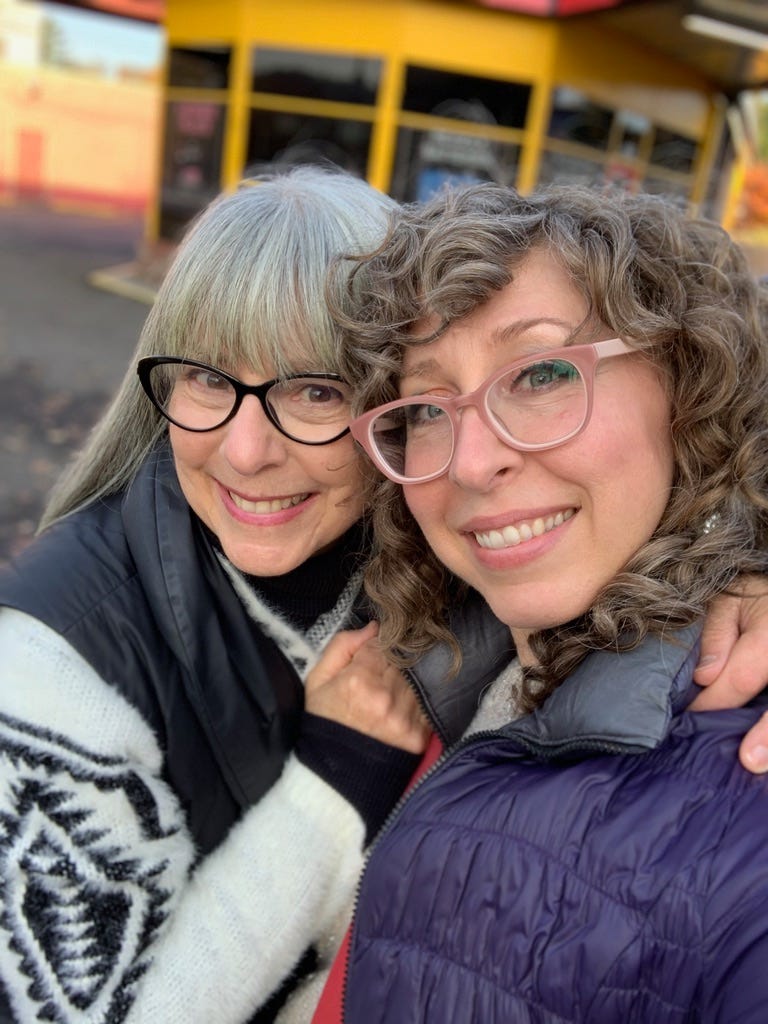
I’m deeply grateful that my mother gave me permission to share, even when it was painful. If sharing our experience helps one family intervene sooner, protect their finances, or preserve their relationship, then telling this story was worth it.
Read other pieces from this series:
Part 1: How Did I Spot a Romance Scam Targeting My Mother? The Signs Anyone Can Learn
Part 2: She Thought She Was Helping a Ukrainian Soldier - It Was a Scam
Part 3: The Face Was Real. The Story Was Not. How I Found the Truth Behind the Scam
Aden so well written! Easy to follow, accurate, and truthful! I am so sorry the two of you went thru such an ordeal, yet glad you did that together! Very useful info! Always grand to see yoyr smiling face!